The national park around Mount Bromo will close the Tengger caldera to visitors twice this season, at the start and at the end of Wulan Kapitu, the seventh month of the Tengger calendar. The park announced the dates on 22 November 2026, following a circular from the council of Tengger priests, and they leave no room for exceptions: on those days there is no Bromo sunrise, no walk across the sea of sand and no jeep ride.
When is Mount Bromo closed?
The caldera closes twice:
- From 17:00 WIB on Tuesday 8 December to 23:59 on Wednesday 9 December 2026. It reopens at 00:01 on Thursday 10 December.
- From 17:00 WIB on Wednesday 6 January to 23:59 on Thursday 7 January 2027. It reopens at 00:01 on Friday 8 January.
Because each closure starts in the late afternoon and ends at midnight, you lose one sunrise each time: the mornings of 9 December and 7 January. The sunrise on 8 December and on 6 January goes ahead as usual, and the park opens again just after midnight, in time for the jeeps that leave for the sunrise on 10 December and on 8 January.
What is closed, and what stays open
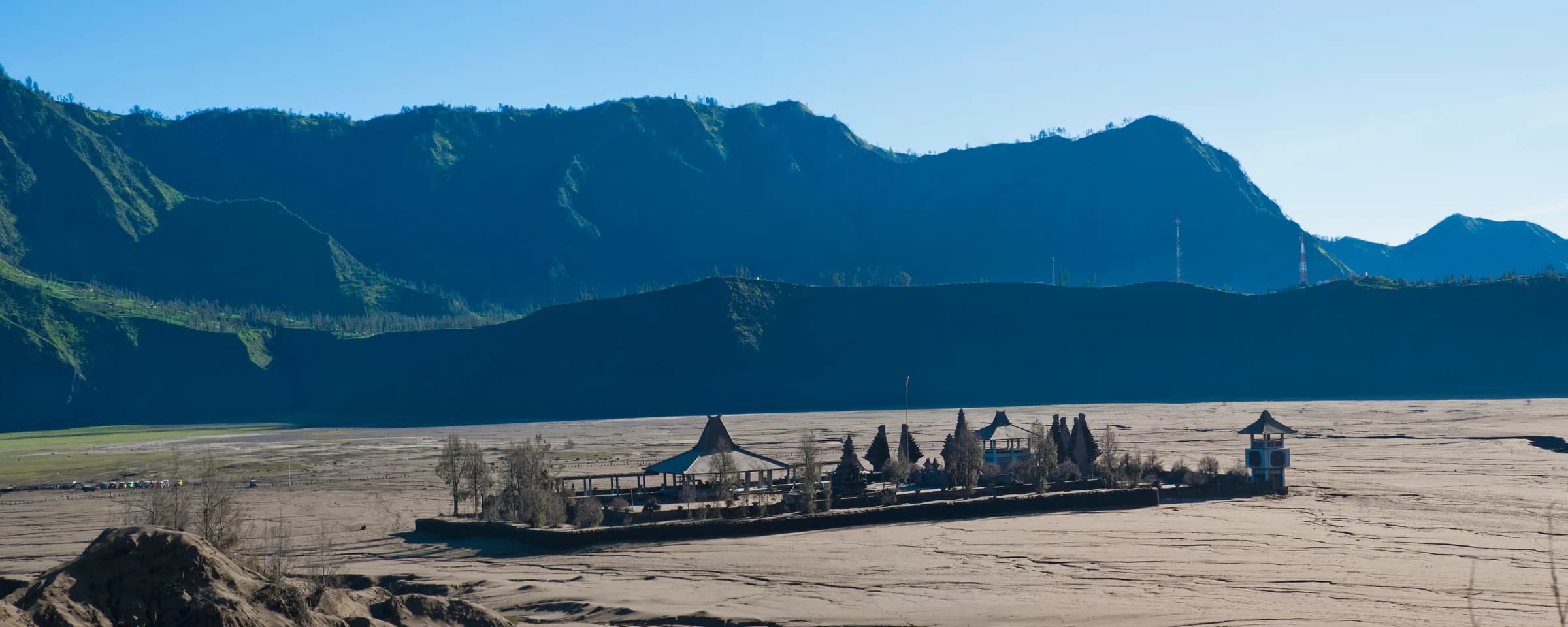
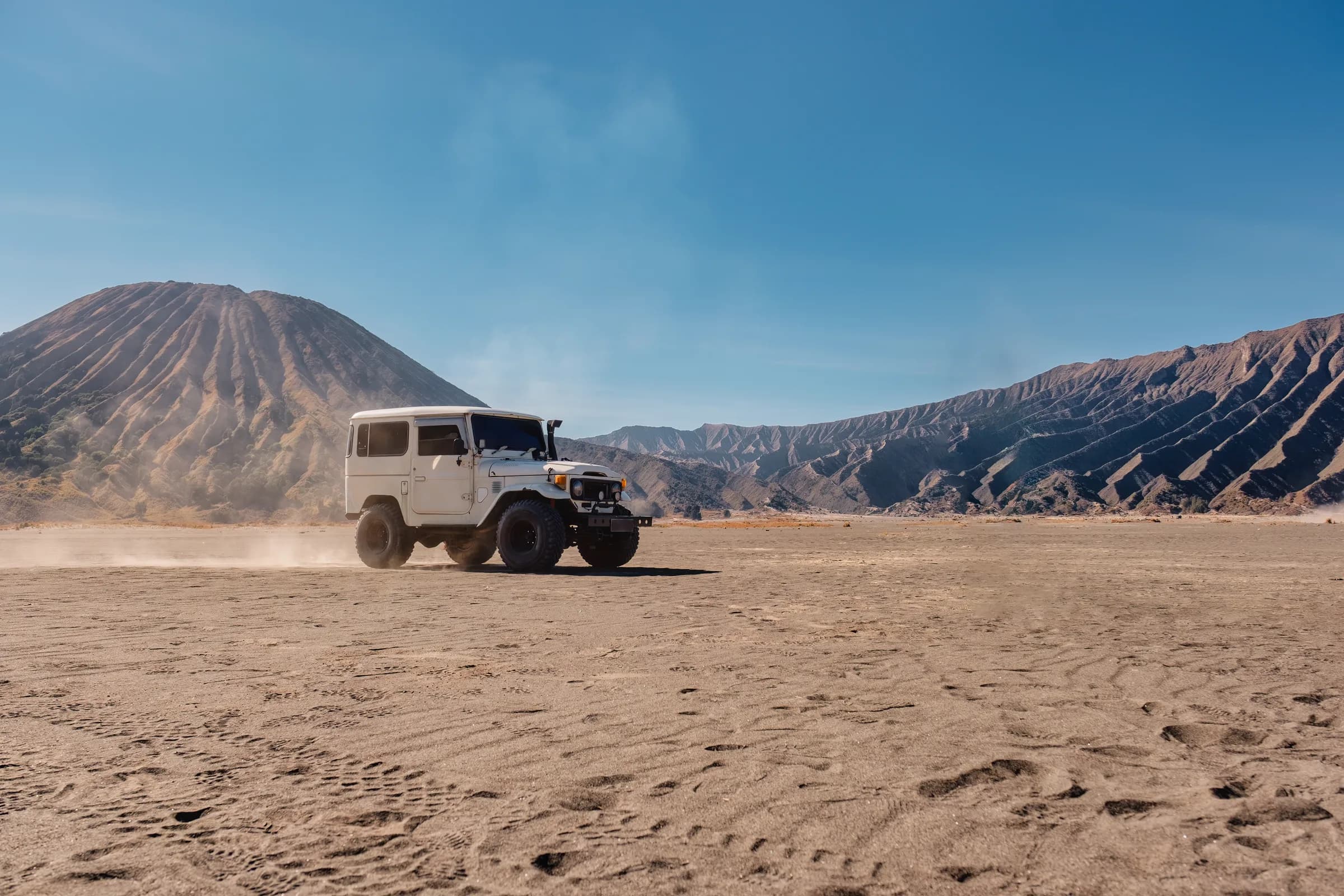
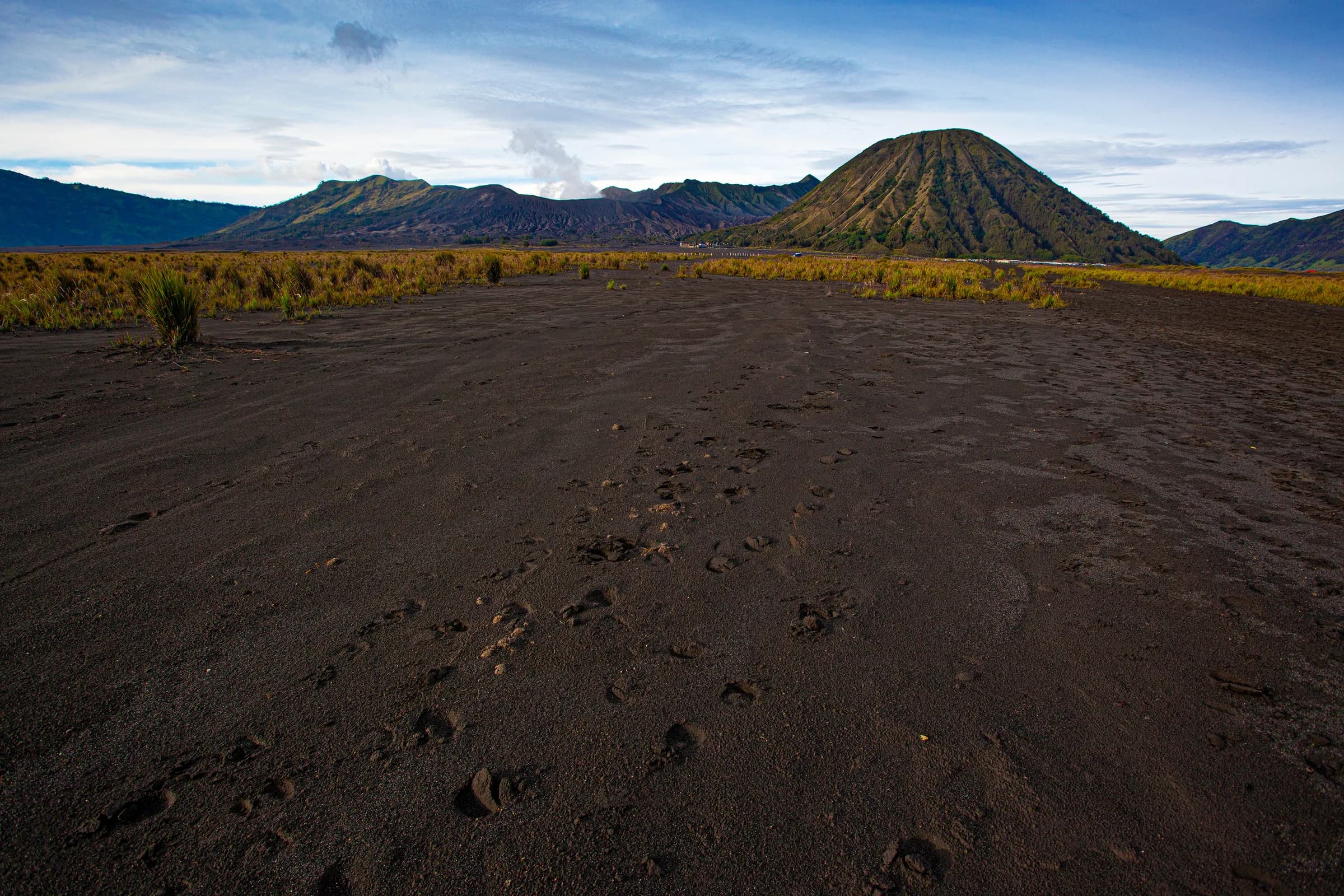
During both closures, all tourism and all motor vehicles are banned from the Tengger caldera, with an exception only for emergencies. That takes in the crater, the sea of sand, the savanna of Lembah Watangan and the roads the jeeps use.
The roads into the park are closed at fixed points. From Pasuruan, vehicles may go no further than the village of Wonokitri in Tosari, which puts the road up to the Penanjakan viewpoints out of reach. From Malang and Lumajang, they stop at Jemplang, near Ngadas. On the Probolinggo side, the road up to Cemoro Lawang is closed from the village of Ngadas in Sukapura district.
One part of the park stays open: Ranu Regulo, a quiet lake beside the village of Ranu Pani, reached through the Malang and Lumajang entrances. The park says it may close that too if an emergency calls for it.
The closures come on top of the rules in place since the eruption of 5 November. Bromo was still at alert Level II on 23 November, so on the days the park is open, the ground within a kilometre of the crater, with the stairs to the rim, stays closed. Our news on the eruption follows that part.
Why Bromo closes for Wulan Kapitu
The Tengger people farm the steep slopes around the caldera and keep a Hindu faith of their own, and for them Bromo is sacred ground. Wulan Kapitu is their month of fasting and restraint. It opens and closes with Megeng, also called Pati Geni, literally "putting out the fire", and the park closes the caldera on those days at the request of the council of Tengger priests, so that they stay quiet.
Rudijanta Tjahja Nugraha, the head of the national park, called the closure a sign of "our commitment to, and respect for, local wisdom and the sacred tradition of Wulan Kapitu" (translated from Indonesian), and asked visitors and tour operators to adjust their plans rather than force a trip to Bromo on those days.
How to plan a Bromo trip around the closures
A day either side is enough to keep your trip intact:
- Move the sunrise by a day. If your plan puts the Bromo sunrise on 9 December or 7 January, take it a day earlier or a day later. Both neighbouring mornings are open.
- Check a night on the rim. If you have booked Cemoro Lawang for the nights of 8 or 9 December, or 6 or 7 January, ask your hotel before you travel how they will get you there and what is possible, since the road up is closed and the caldera is off limits.
- Turn a Bromo and Ijen trip around. Tours that pair the two volcanoes can often start at the other end instead. Our guide on getting from Bromo to Ijen has the routes and timings in both directions.
- Expect crowds around the January closure. The second closure falls at the very end of the Christmas and New Year holidays, when Bromo is at its busiest and the Bali to Java ferry has its heaviest days. Leave room in the plan.
Everything else, from the sunrise viewpoints to where to sleep, is in our guide to Mount Bromo. We will update this page if the park changes the dates.