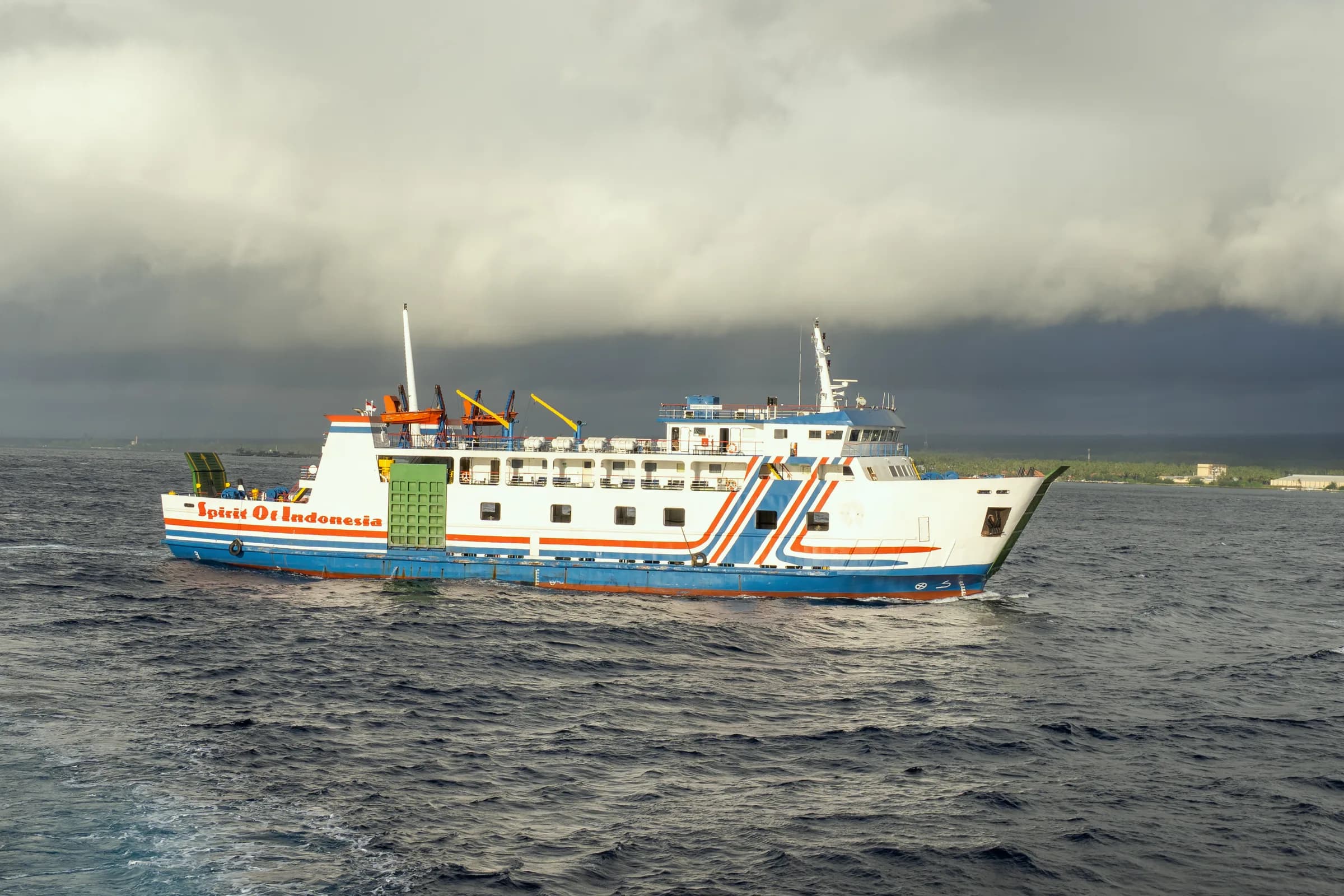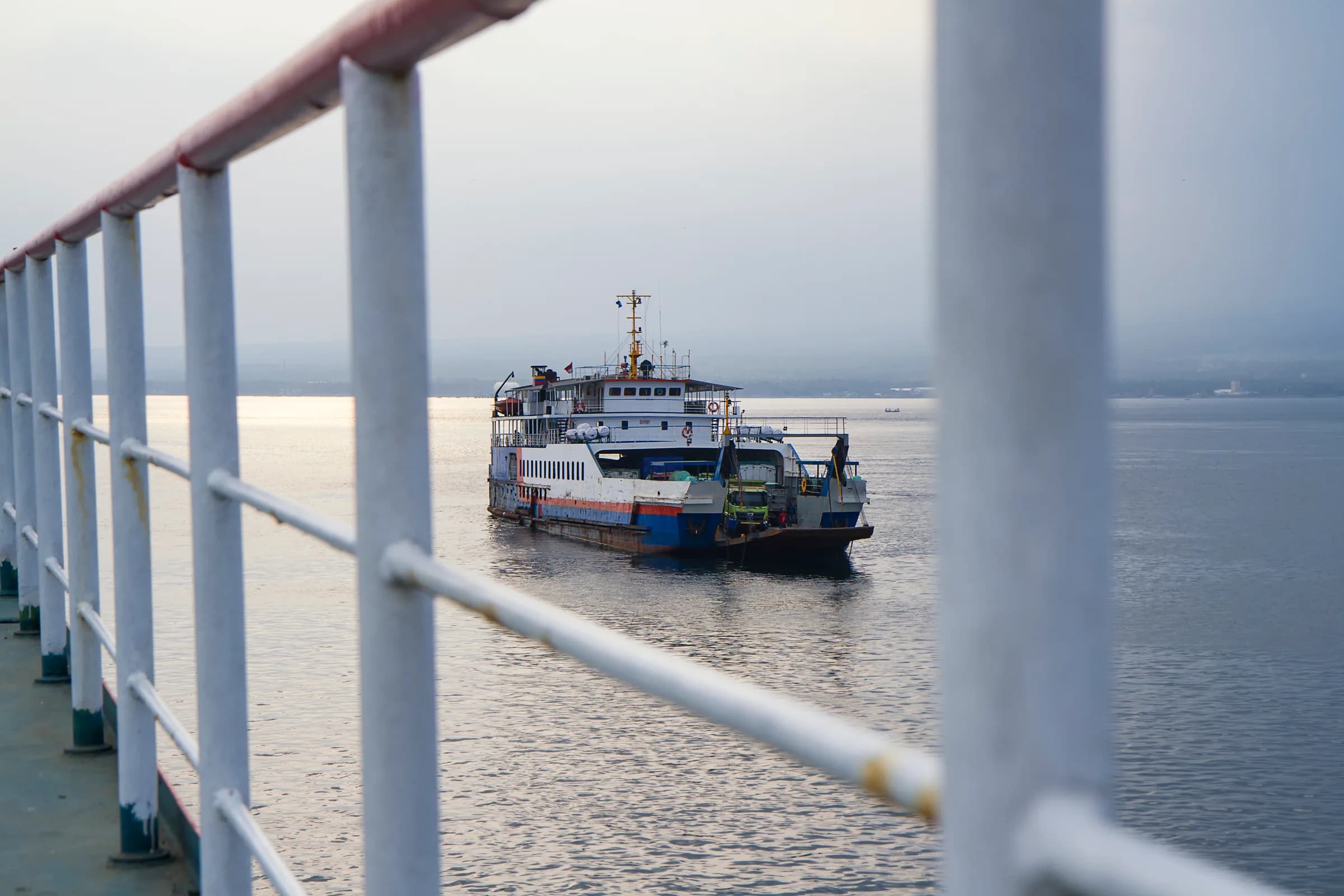
Every year the Bali to Java ferry has its busiest days between Christmas and the first week of January, when much of Indonesia is on the move. For travellers heading to Ijen from Bali, that crowd shares the same short crossing between Gilimanuk and Ketapang. This year the ferry operator has named the days it expects to be hardest, and they are worth knowing before you fix your dates.
Which days will the Bali to Java ferry be busiest?
ASDP, the state ferry company, expects the most vehicles leaving Bali through Gilimanuk on Monday 28 December 2026, about 9,737 in a single day. In the other direction, the peak from Ketapang towards Bali is expected on Monday 4 January 2027, with about 10,410 vehicles, the highest figure of the season.
The Ministry of Transport looks at the holiday as a whole and expects its overall peak a little earlier, on 23 and 24 December, with about 3 percent more passengers and vehicles than last year. The official holiday operation, known in Indonesia as Nataru (Natal and Tahun Baru, Christmas and New Year), runs from 18 December 2026 to 6 January 2027.
These forecasts count vehicles. A tour minibus or a private car waits in the same line as everyone else, so for most visitors the queue is the thing to plan around.
Why the crossing slows down at the end of the year
The ferry is the only road link between Java and Bali, and over the holidays it carries families going home, holidaymakers and the lorries that keep Bali supplied. In past seasons the queues stretched back along the main road through Banyuwangi, and ASDP says it has learned from that.
This year it has prepared two new holding areas for trucks north of the port: one at Watudodol, about 7.5 kilometres from the gate, for some 375 large trucks, and one just before Tanjung Wangi port for about 227 more. The idea is to keep heavy vehicles waiting off the road until there is room on a ship. Police and the ministry plan to hold back traffic in stages, from the toll road exits near Surabaya down to Situbondo and Banyuwangi, when the port fills up.
On the water, 57 regular ships are ready for the route, with 28 sailing on a normal day and a target of 420 crossings a day. When queues build, ships switch to a quicker turnaround, unloading and leaving again at once. Some trucks will also be sent across on other routes, from Jangkar in Situbondo and from Tanjung Wangi to Celukan Bawang on Bali's north coast, with the fare paid by the government for the trucks diverted there.
How to plan a Bali to Java crossing over the holidays
Most of this is about timing. A few simple choices keep the crossing from eating your day:
- Avoid the peak days. If you are crossing from Bali to Java, steer clear of 28 December. If you are heading back to Bali, 4 January is the day to avoid. The days around 23 and 24 December are busy in both directions.
- Buy the ticket on Ferizy before you reach the port. Tickets for the Gilimanuk to Ketapang crossing are sold online only, through the Ferizy app or website, and that does not change over the holidays. Ferizy usually opens sales 60 days ahead and closes them an hour before your time to enter the port. Choose passport as your ID type; if a foreign card is declined, your hotel or driver can buy it for you.
- Leave room in the plan. On a quiet day the crossing itself takes about an hour. On a peak day, add several hours for the wait to board, and do not book a flight or a sunrise hike that depends on a tight connection.
- Sleep on the Java side. A day trip from Bali crosses at night and returns in the morning, which puts it right in the busiest flows. A night in Banyuwangi lets you cross at a calmer hour and still reach the crater for first light. Our guide to staying near Ijen compares the options.
Everything else about the trip, from the health letter to the clock that changes by an hour across the strait, is in our guide on how to get from Bali to Ijen. We will add the operator's updates here as the holiday gets closer.